
Fall is here. You’re closing windows, changing up the screen doors for winter. The furnace is starting to run on cold mornings. And then there is that musty basement smell that drifts upstairs in October.
The first thing to know: it’s a moisture problem, not a cleaning problem. Once the heat comes on, your house pulls basement air upstairs. There’s mold and mildew down there, and now, in a closed house, it’s become noticeable just by the smell. The real question is where the moisture that feeds the mold and mildew is coming from. Somewhere your basement has a leak, a seep, or a puddle.
Understanding the Musty Smell
A musty basement smell comes from mold and mildew that are actively growing. As they grow, they release gases with a strong, earthy odor. The EPA treats a moldy odor as a sign of mold growth worth investigating. Growth needs moisture, so the smell means a moisture supply exists somewhere.
Water is just a part of it. Mold feeds on organic material. In a basement, that means wood joists, cardboard boxes, stored clothes, and the paper facing on drywall.
Air fresheners can cover the odor for a while. A tub of moisture-absorbing crystals catches a little water from the air. Both are temporary, stop-gap measures. Neither one touches the growth or the moisture feeding it.
Why Does the Smell Get Worse When the Heat Comes On?
Warm air rises. In heating season, it moves up through the whole house, finally escaping through the upper floors and the attic. As it leaves, the house draws replacement air in down low, and the basement is down low. Builders call this the stack effect. Basement air rides upward, carrying its moisture, odor, and mold spores into your living space.
In summer, open windows often supply and circulate the air upstairs. In October, the house is sealed and the furnace is running. Basement air becomes part of the air you breathe everywhere in the home.
Where Is the Moisture Coming From? Two Possible Answers
Every musty basement has a moisture supply, and there are two honest possibilities. Either liquid water is getting in from outside, or the air itself holds too much moisture. They smell the same from the top of the stairs. They need different fixes. A week of paying attention usually tells you which one you have.
Is Water Getting In?
Watch for these signs:
- The smell gets stronger a day or two after rain.
- White, chalky residue called efflorescence shows up on the basement walls.
- A stain or tide line runs where the wall meets the floor.
- The block feels cool and damp to the touch.
- The washer, dryer, or water heater has rusty feet.
- Your sump pump runs often.
If that list sounds familiar, the fix is source control. That can mean an interior French drain, a sump pump system, or floor drain maintenance. It can also mean outside work on downspouts and grading.
Our September article explains why heavy rain finds a leak rather than creating one.
No Sign of Water, But the Smell Remains
Watch for these signs:
- The smell stays steady, rain or shine.
- A humidity gauge reads above 60 percent.
- Cold water pipes and the outside of the washer sweat.
- Boxes and stored clothes smell musty, even though the floor stays dry.
The EPA recommends keeping indoor humidity below 60 percent, and ideally between 30 and 50 percent. A hardware-store humidity gauge lets you check.
In Westmoreland County and throughout the Pittsburgh region, a common source of humid air in basements is the effect that happens when humid summer air meets cool block walls and condenses. Sometimes we see a dryer vented into the basement instead of outdoors (which is its own problem, but contributes to humid basement air). Another source is an open sump pit that lets water evaporate into the room. Concrete itself also passes moisture as vapor from the soil behind it. After a near-record wet August, plenty of Western PA clay is still holding water.
The point is, there are paths for moisture that don’t necessarily involve leaks. In those cases, dehumidifiers and ventilation systems are the right approach.
Dehumidifier or Ventilation System: Which Does Your Basement Need?
Dehumidifiers and whole-home ventilation systems both fight damp basement air, but they work differently. A dehumidifier pulls moisture out of the air in the space it serves. A ventilation system exchanges the air itself, moving stale basement air out and fresh air in.
Some homes need one, some need the other, and some need both.
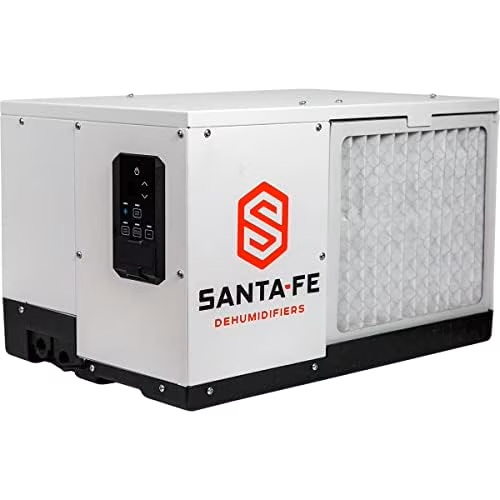
D-Bug installs both: Santa Fe dehumidifiers and the EZ Breathe ventilation system. We don’t sell a one-size answer. Your basement’s layout, how you use it, and where the moisture starts all shape the choice. The inspection decides which one fits your house.
Water First, Air Second
From over 45 years of experience working in basements throughout our local neighborhoods, we know the rule is this: fix the water first, then fix the air.
If liquid water is entering, waterproof first, then manage the humidity. If the basement is truly dry and the air is simply loaded, go straight to humidity control and ventilation. Doing it in reverse means fighting a moisture supply you never shut off.
Two Quick Notes: Radon and Visible Mold
Radon. A closed-up house is exactly the condition a short-term radon test calls for. Pennsylvania’s Department of Environmental Protection calls heating season an ideal time to test. Radon enters through the same floor and wall cracks that water and vapor use. DEP keeps a list of state-certified radon professionals if your result comes back high.
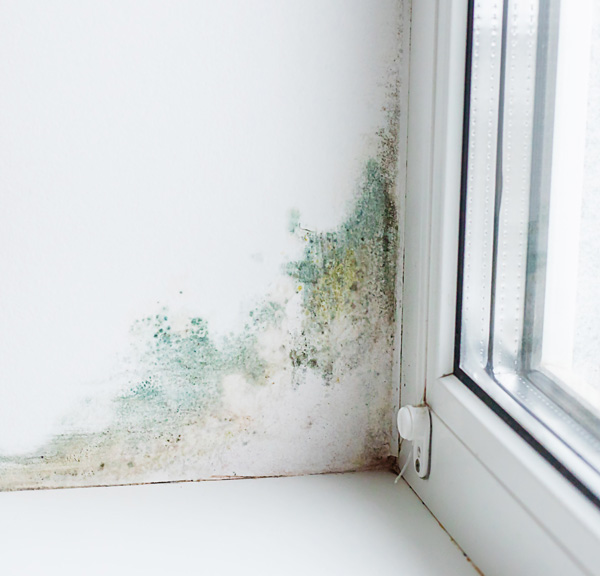
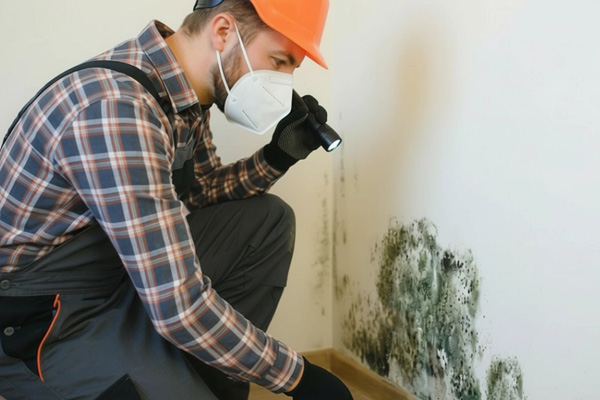
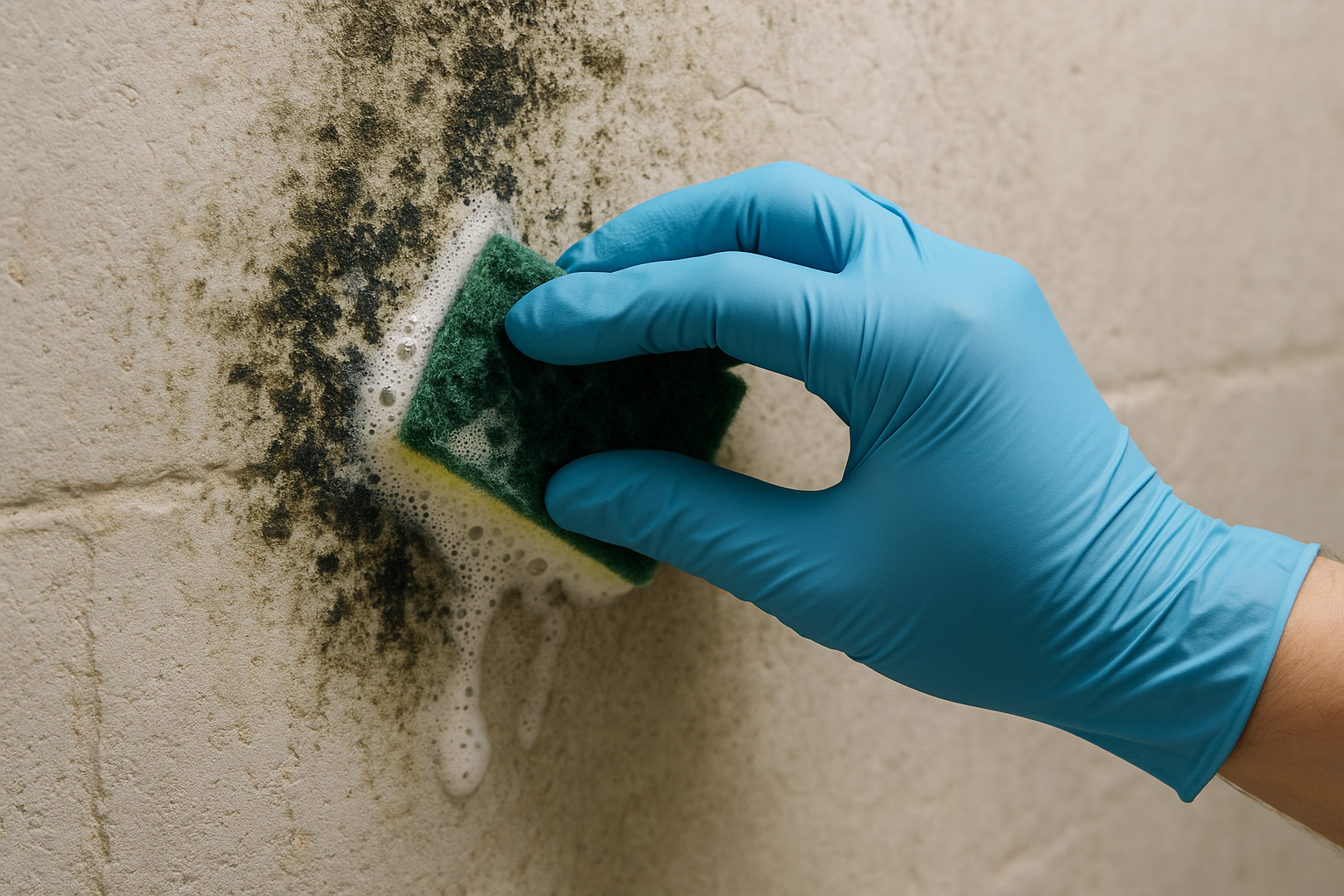
Visible mold. If you see growth on walls, joists, or stored items, scrubbing by itself is a stop-gap measure. Growth returns as long as the moisture remains. Our mold remediation page explains how we handle it.
What Does a Free D-Bug Inspection Cover?
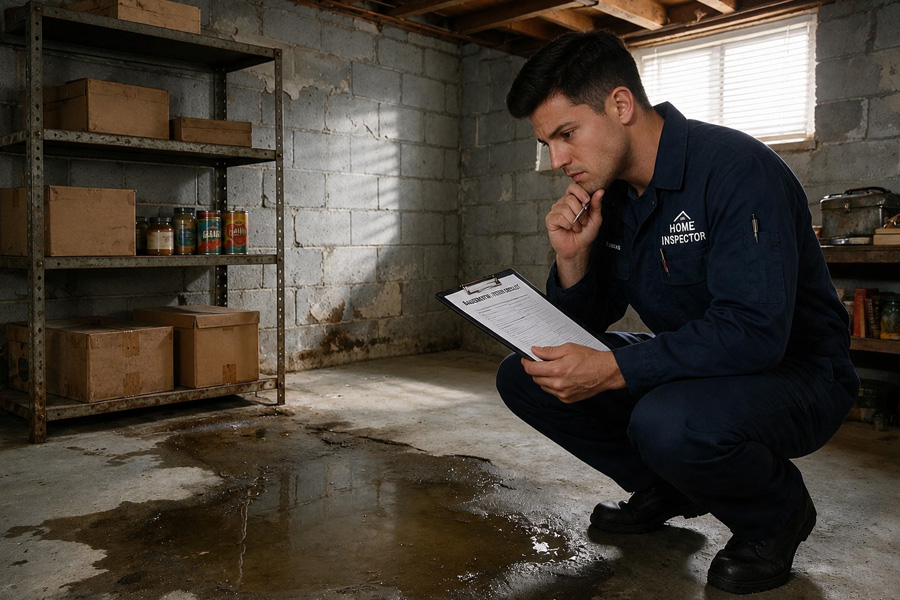
A free D-Bug inspection gives you a straight answer about which solutions your house may need. Is there a water problem, a humidity problem, or both? We take a humidity reading and check entry points, including the joint where the wall meets the floor. Then we walk outside to check grading and downspouts. You get a clear explanation, with no obligation.
No matter the result, you can stop guessing. You’ll know the problem and the recommended fix for it.
Why Western Pennsylvania Homeowners Call D-Bug
D-Bug Waterproofing has worked on basements here since 1980. That is 45+ years in the same clay soil, hillside lots, and freeze-thaw winters.
We are family-owned, and our own trained crews do every job. We never use subcontractors. We handle both halves: the water and your basement air quality.
Let’s Find Out What Your Basement Is Telling You
You don’t have to live with the smell all winter. Schedule a free inspection, and a D-Bug expert will tell you whether you’re dealing with water, air, or both.
Call 1-855-381-1528 or request a free quote online.
Musty Basement Smell: Common Questions