Yes, You Can Sell It. No, You Cannot Leave It Off the Disclosure Form
You’ve put some time into your preparations and the house is almost ready. With your real estate agent’s guidance, you’ve cleaned up, made some repairs, and done that “staging” stuff. The mulch is fresh. The photographer comes next week.
Then you sit down with the seller disclosure form. There’s a section on basements, and it gives you pause.
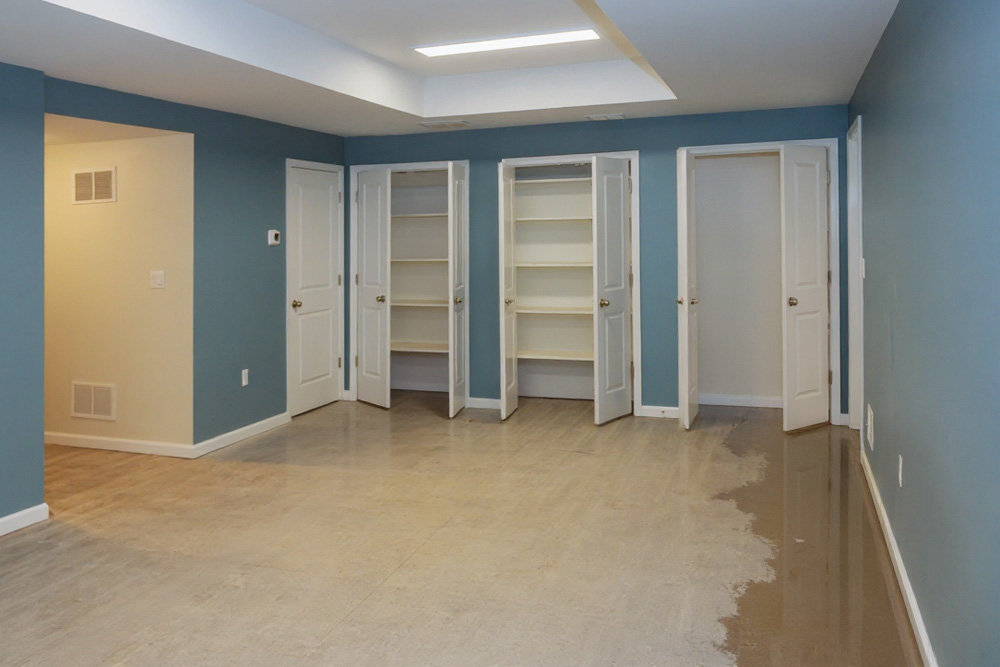
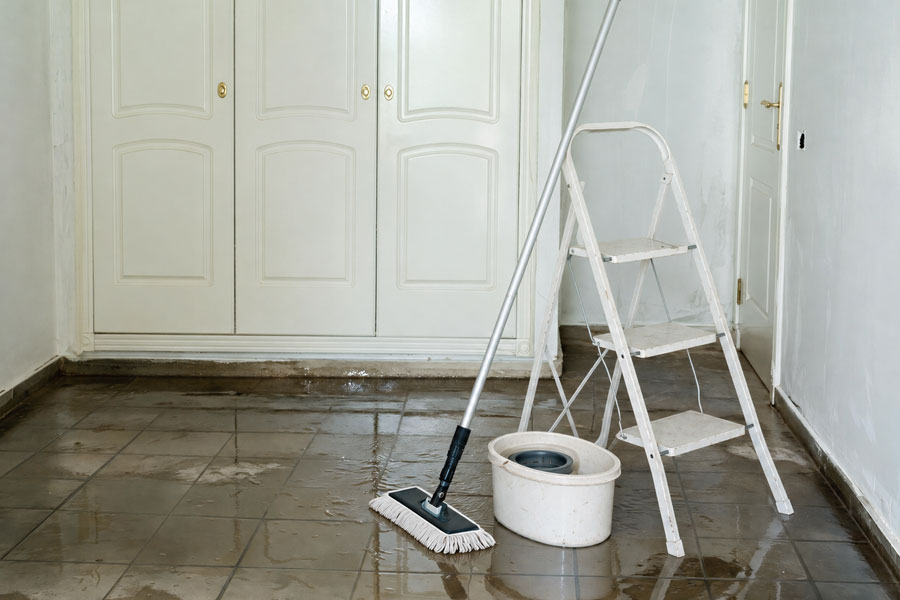
Because you know. Maybe it takes water twice a year in a hard rain. Maybe a gray stain runs along the block wall and the dehumidifier never shuts off. Maybe it happened once, four years ago.
The instinct is to say nothing and hope the inspector misses it. That instinct can cost Western Pennsylvania sellers real money.
The Short Answer
Yes. You can sell a house with a wet basement in Pennsylvania. People do it every week.
No. You cannot leave it off the disclosure form.
Those two facts do not fight each other. Buyers accept a known problem with a known fix. They do not accept a surprise their inspector finds after they have fallen for the house.
What Pennsylvania Actually Requires
Pennsylvania has a law for this. The Real Estate Seller Disclosure Law, or 68 Pa.C.S. § 7301. It covers most home sales in our commonwealth.
What the law requires is that you disclose known material defects in writing before the agreement of sale is signed. A material defect is a problem with a significant adverse impact on the value of the property.
The standard runs on what you know. You don’t have to go on a hunt for problems or hire an inspector. But you cannot mislead. The law bars sellers from statements they know are false or deceptive. Fresh paint over a stained wall is not the same as “I did not know.”
The Basement Questions on the Form
The Pennsylvania form gets specific. In the section on basements and crawl spaces, it asks:
- Does the property have a sump pump?
- Are you aware of any water leakage, accumulation, or dampness within the basement or crawl space? If yes, describe it in detail.
- Do you know of any repairs or other attempts to control a water or dampness problem? If yes, describe the location, extent, date, and the name of the person who did the work.
Basement water shows up in other places on the form too.
The structural section asks about past or present water leakage anywhere in the house, and about movement in walls and foundations. The land section asks about past or present drainage or flooding problems. The storm water section asks whether you know the location and condition of any basin, ditch, drain, swale, culvert, or pipe on your lot, and whether you maintain it. If you have a catch basin in the side yard, that question is about you.
“It Was Fixed” Still Counts
This is where most sellers slip.
The form says past or present. A basement that took water in 2019 and has stayed dry since still belongs on the form. So does a crack you sealed yourself.
Disclosing a repair is not an admission of failure. It is a maintenance record, and buyers read it that way when the record is complete.
The One Line That Changes Everything
Look again at that one question. It asks for the name of the person who did the repair. That line turns a fixed basement from a cost into an asset. Compare two answers on the same form, for the same house:
“Some water in the northwest corner during heavy rain. Sealed the crack myself in 2021.”
“Water along the north and west walls during heavy rain. Interior French drain and sump pump installed by D-Bug Waterproofing of Greensburg in June 2026. Guarantee transfers to the new owner.”
Same house. Same history. Two very different conversations. The second answer hands the buyer a company to call and a date to check. Buyers do not pay for unknowns. They discount for them.
The Inspector Is Going to Look
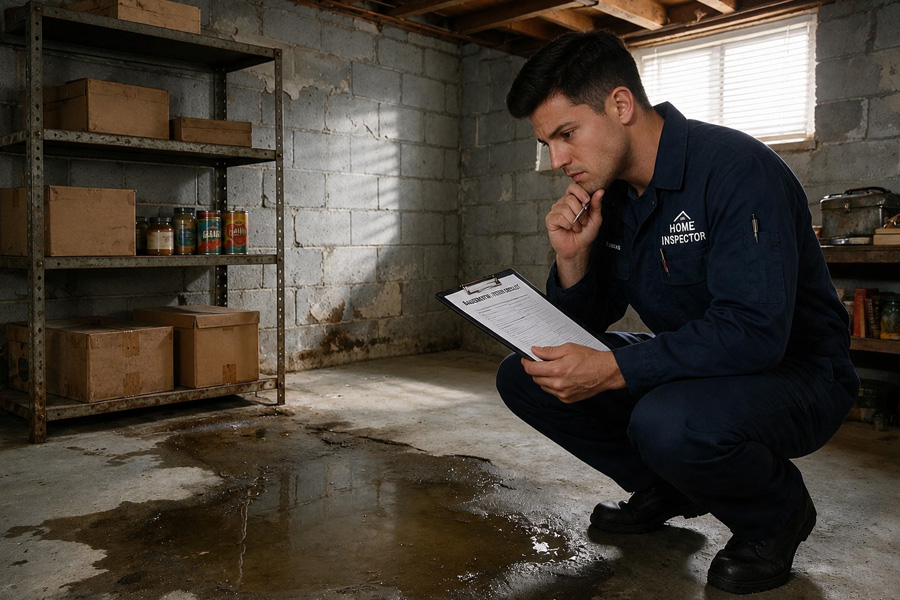
Assume the buyer hires a home inspector, because nearly every buyer does. Assume that inspector heads straight for the basement, because in Western Pennsylvania that is where the problems live.
Here is what they check first:
- Staining along the base of block or stone walls
- Efflorescence, the white chalky residue water leaves behind in masonry
- Fresh paint or fresh patching on one section of wall
- Rust lines on the water heater, furnace legs, or appliance bases
- A sump pit, and whether the pump actually runs
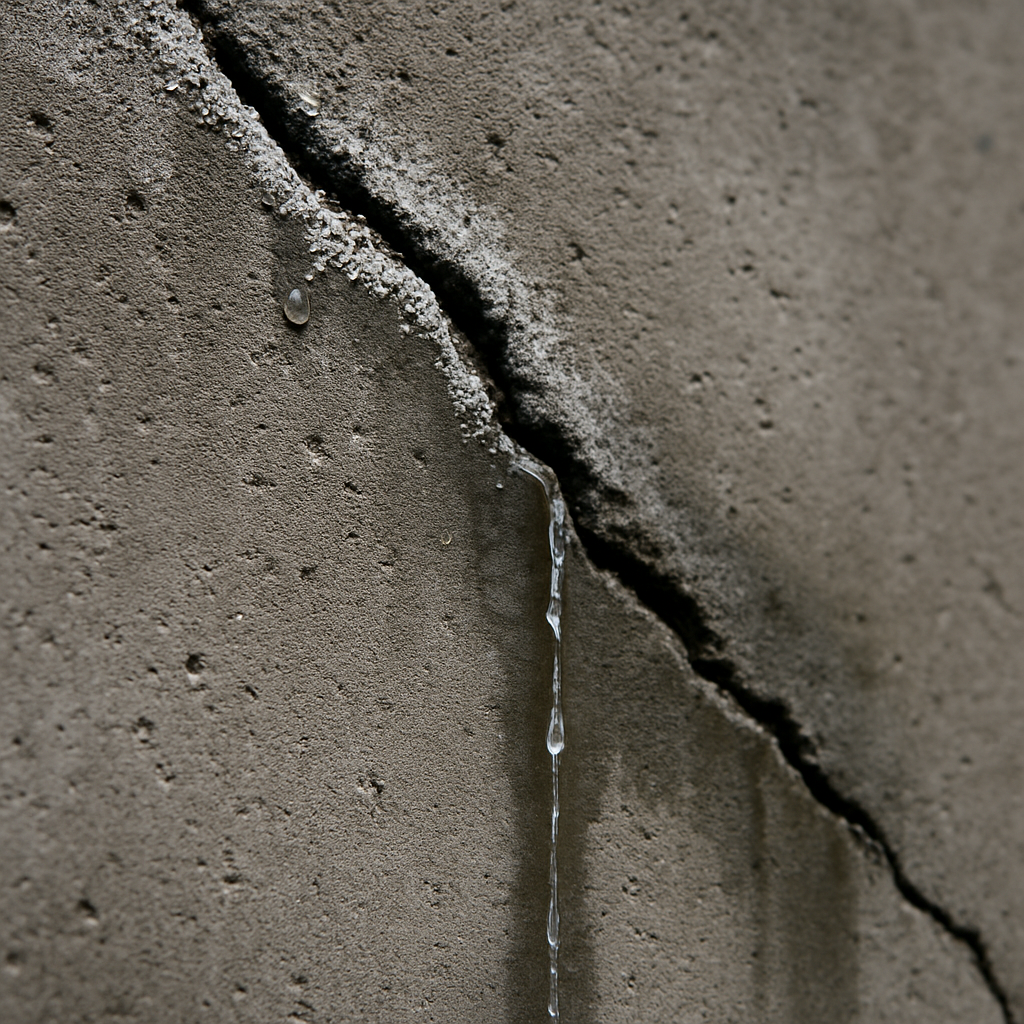
- Step cracks in block joints, and any inward bow in the wall
- Grading that slopes toward the house, and downspouts that dump beside the foundation
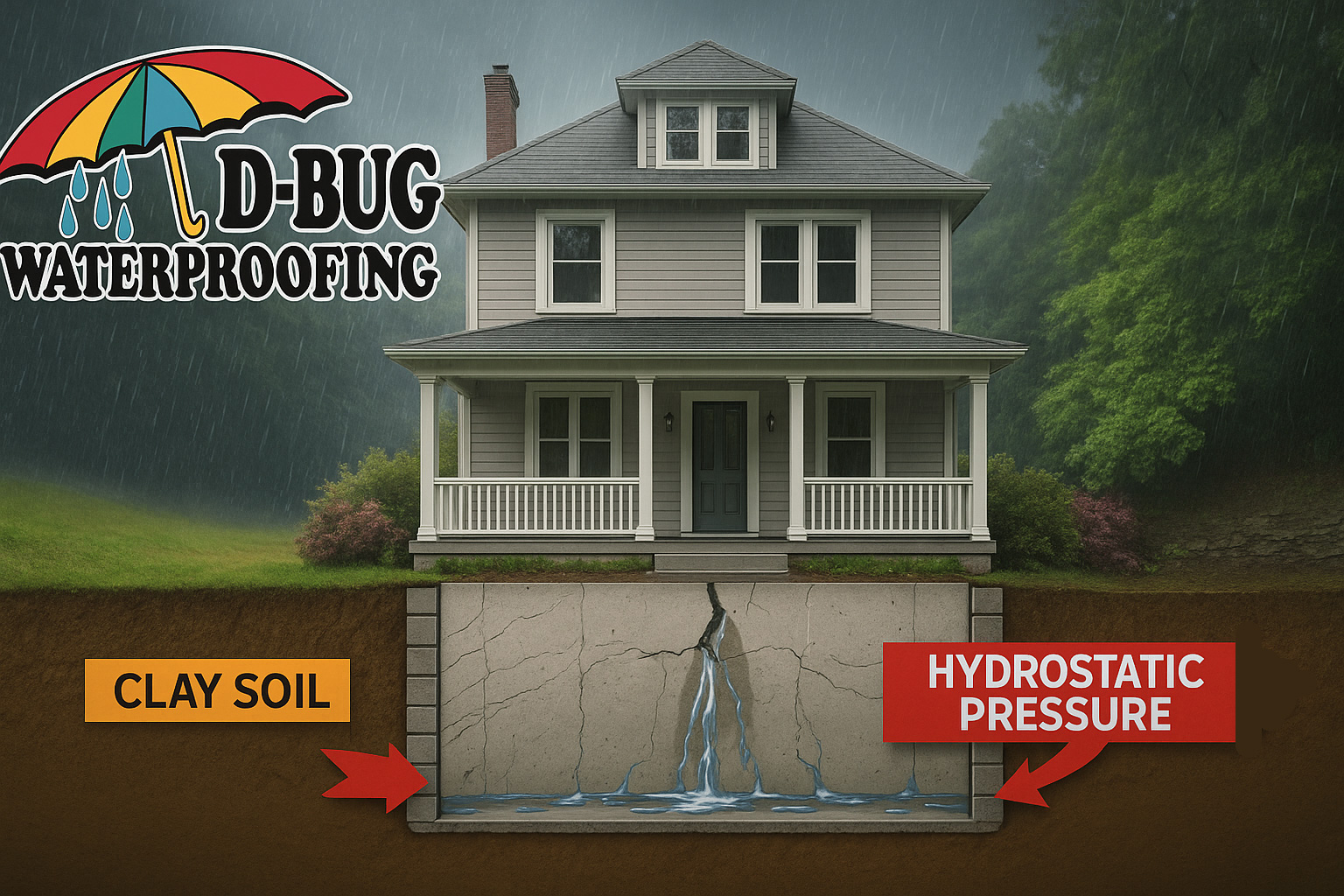
Inspectors here know our housing stock. They know clay soil holds water and our hillsides send runoff into foundations. They know what a hard-rain basement looks like in August, even when the floor is dry. Fresh paint over a stain does not hide the problem. It flags it.
What Happens When a Buyer Finds Water You Did Not Mention
The deal rarely dies in that moment. It goes bad in a slower way. The inspection contingency gives the buyer room to renegotiate or walk. Worse, their trust in the rest of your disclosure drops. A seller who missed the basement might have missed the roof.
If the sale closes and the buyer later shows that you knew, Pennsylvania law gives them a path to recover actual damages.
This article explains how the disclosure process generally works. It is not legal advice. Your agent or a Pennsylvania attorney can walk you through your specific sale.
Why a Repair Beats a Discount
Some sellers plan to price the water in. Take a little off the asking price and let the buyer handle it. That plan usually costs more than the repair.
A buyer who finds water late negotiates from surprise. They gather a quote or two from companies that never saw the house before that week, then ask for the high number.
A finished repair works the other way. The problem has a name. The fix has a date. At D-Bug, our guarantee transfers to the next owner through our maintenance program. To see how the other side of the table thinks, read our companion article on buying a Pittsburgh-area home with basement water problems.
A dry basement also shows better. Nothing shortens a walkthrough faster than a musty smell at the bottom of the stairs.
Why August Is the Right Month to Handle It
The Pittsburgh area listing season peaks from mid-April through late May. August is quieter, and that is exactly why it works.
Fall brings a second wave of buyers to Western PA. People who lost out in the spring come back in September and October, and they come back serious.
Whether the fix is an interior French drain, a new sump pump, or work out in the yard, finishing now means your paperwork is in hand before the inspection window opens.
Fix it in summer List it in fall.
What a D-Bug Repair Gives You for the Form
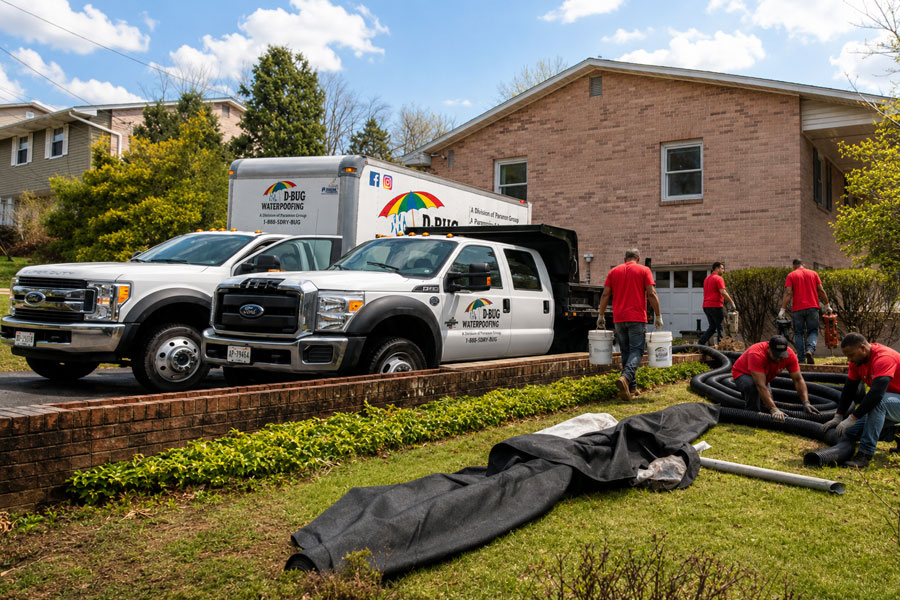
D-Bug Waterproofing has worked on Western Pennsylvania basements since 1980. That is 45+ years in the same clay soil, freeze-thaw winters, and hillside lots. We are family owned, and our own crews do the work. We never use subcontractors.
For a seller getting ready to list, that record turns into paperwork:
- A written description of the work performed and the date it was finished
- Clear, no-surprises pricing so you know the scope before you commit
- A company name and phone number the buyer can call and verify
- A guarantee that transfers to the next owner through our maintenance program
Ready to Answer That Question With a Name and a Date?
You do not have to choose between an honest disclosure form and a strong sale. A documented repair gives you both.
Start with a free inspection. A D-Bug expert walks your basement, finds where the water gets in, and explains what it takes to stop it. Honest answers, clear pricing, no pressure.
Schedule your free inspection today by calling 1-855-381-1528 or contact us online. Let us get the basement handled before the sign goes in the yard.
Selling a Home With a Wet Basement: Common Questions