Why DIY Basement Waterproofing Fixes Fail (And What Actually Works)
We could say Spring rain is heading for Western Pennsylvania, but it’s already here. The snow is gone, the ground is soft, and the forecast looks wet for weeks.
If your basement leaked last year, you can look forward to more. Wet basements do not fix themselves. Water finds its way in. It pools on the floor. It creeps up the walls. And you find yourself back at the hardware store, looking for something — anything — to make it stop.
You’re not alone. Thousands of Greensburg and Pittsburgh-area homeowners try to fix wet basements on their own every spring. They grab waterproof paint, patching compound, a shop vac, and a fan. They spend a weekend sealing, patching, and hoping for the best.
Most of those fixes will fail within weeks. Some fail during the very next rain.
This isn’t because homeowners are doing it wrong. It’s because the problem is bigger than any hardware store product can handle. Let’s see why.
The DIY Hall of Fame: What Most Homeowners Try First
Every homeowner who deals with a wet basement tries these solutions. After all, they seem like they should work.
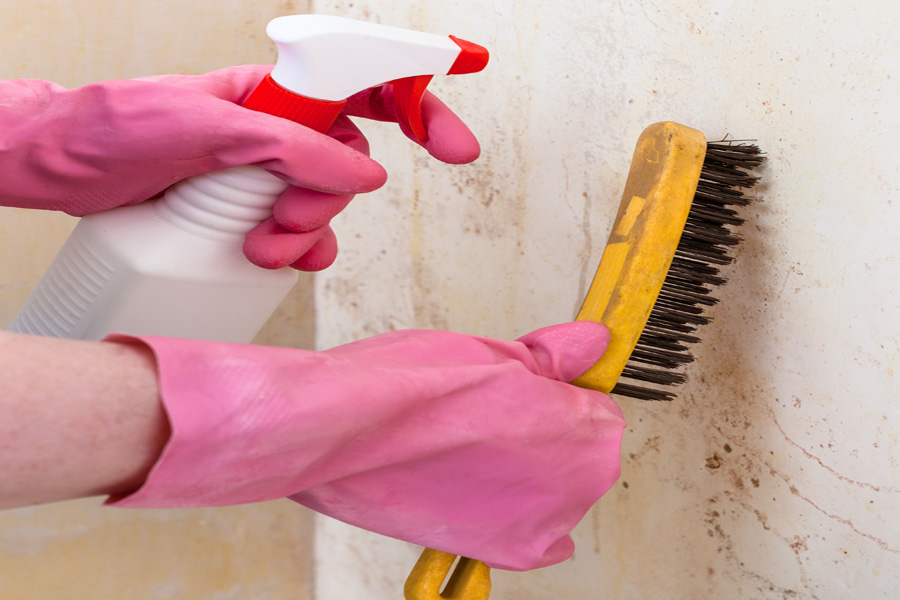
Waterproof paint on walls. This is usually the first move. You brush or roll a thick coating onto the basement walls. It looks great for a while. But waterproof paint sits on the surface. Water pressure pushes from the outside. Within months, the paint bubbles, peels, or flakes away. The water comes back.
Patching compound in cracks. You spot a crack in the wall and fill it with hydraulic cement or another patching material. The crack seems fixed. But the pressure that caused the crack hasn’t changed. Water just finds the next weak spot, and the patch itself is almost sure to fail given enough time. Now you have two leaks.
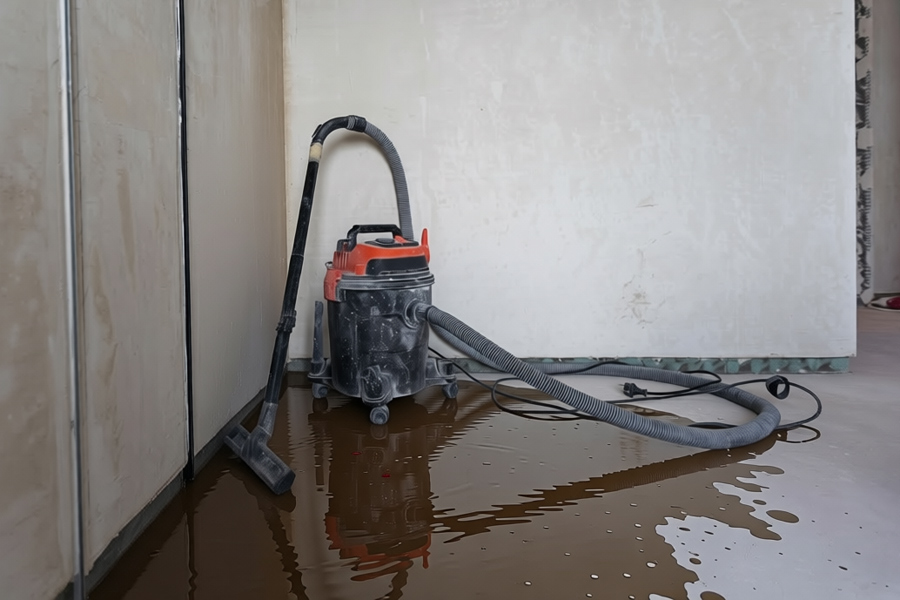
Shop vacs and buckets. When water shows up, you remove it. You vacuum the floor. You mop it into buckets. You check the basement every time it rains. This keeps your floor dry for the moment, but it’s a reaction, not a solution. You’re bailing water instead of redirecting it.
Fans and dehumidifiers. You aim a box fan at damp walls. You run a dehumidifier around the clock. These reduce moisture in the air (which is helpful), but they can’t stop water from entering. They manage symptoms while the source goes untreated.
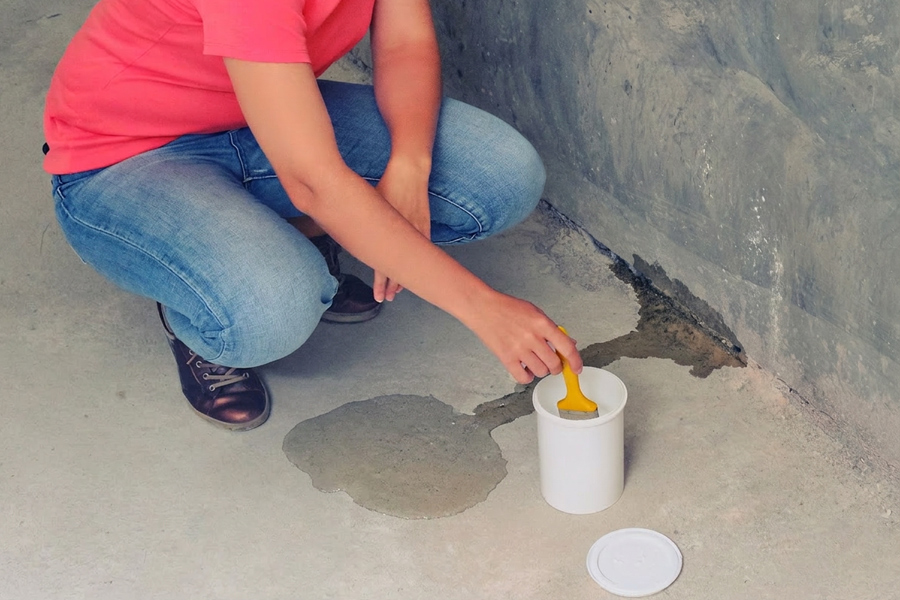
Sealant products on floors and joints. You apply a sealing compound where the floor meets the wall. This joint is a common entry point for water. The sealant may slow things down briefly. But water under pressure will push through, around, or under any surface coating.
Each of these approaches treats what you can see. None of them addresses what’s happening behind and beneath your foundation. That’s what we call “the real problem.”
The Real Problem: Hydrostatic Pressure
Most homeowners assume water enters through cracks. That’s partly true. But the cracks aren’t the cause. They’re the symptom.
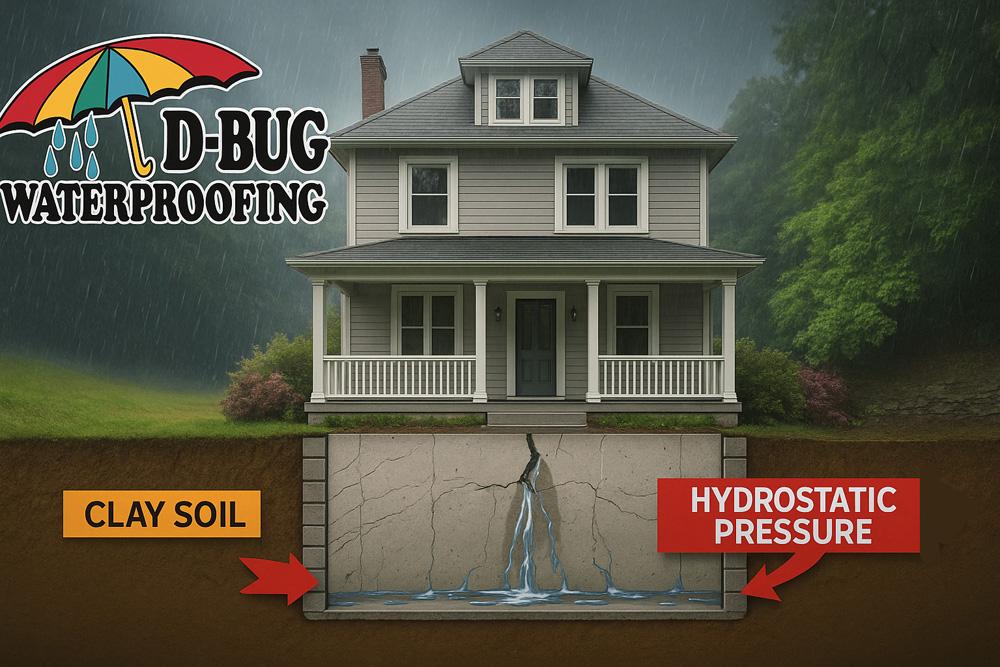
The cause is hydrostatic pressure. Here’s how it works.
Rain and snowmelt soak into the ground around your home. The soil absorbs water until it can’t hold any more. That saturated soil presses against your foundation walls and pushes up against your basement floor.
The force is enormous. Engineers measure it at 60 pounds per square foot or more.
Your foundation is strong. But it isn’t waterproof. Concrete and block are porous materials. They absorb moisture. Beyond that, every joint, seam, crack, and tie rod hole becomes a pathway under that kind of pressure.
No paint holds back thousands of pounds of water pressure. No patching compound can resist a force that shifts soil and cracks concrete. These products were never designed for that job.
This is the gap between what DIY fixes do and what the problem actually requires.
Why “Keeping Water Out” Is the Wrong Strategy
It feels natural to try to block water. Build a barrier. Seal the walls. Keep it out.
But water is persistent. It follows gravity. It finds the path of least resistance. If you block one entry point, it moves to the next. If you seal a crack, pressure builds until something else gives.
Fighting water with barriers is a losing battle.
The smarter approach doesn’t try to keep water out. Instead, it gives water a controlled path away from your basement. You stop fighting physics and start working with it.
This is the engineering principle behind interior French drains. Rather than blocking water, you manage it. Before it reaches the floor, you need a system to capture it and move it our of your basement.
Interior French Drains: How the Real Fix Works
An interior French drain system captures water at the source and removes it before you ever see it on your floor. Here’s how the system comes together.
The perimeter trench. A narrow channel is cut into the basement floor along the inside edge of the foundation walls. This trench runs the perimeter of the basement.
Perforated pipe in gravel. A perforated drain pipe is placed in the trench, surrounded by clean gravel. Water flows through the gravel and enters the pipe through small holes along its length.
Weep holes in the foundation. Small holes are drilled into the base of the foundation walls. These relief holes let trapped water behind the walls drain directly into the French drain system. This step relieves hydrostatic pressure against your walls.
Sump pump pit and discharge. All the collected water flows through the pipe to a central sump pump pit. The pump activates automatically and pushes water up and out through a discharge line, away from your home.
Sealed and finished. Fresh concrete covers the trench. The system disappears beneath your floor. It works quietly, around the clock, without any effort from you.
The key difference? This system works with water pressure instead of against it.
Water wants to move downhill. The French drain gives it a downhill path — straight to the sump pump and out of your basement.
Why Interior Beats Exterior for Existing Homes
Some homeowners wonder about exterior French drains. These systems work too, but they require digging a trench around the entire outside of your foundation. For an existing home, that means major excavation.
Exterior installation tears up landscaping, sidewalks, driveways, porches, and anything else near the foundation. The project takes longer. It costs more. And the system sits underground in soil where roots, dirt, and debris can clog it over time.
Interior French drains avoid all of that:
- No excavation of your yard, driveway, or landscaping
- Faster installation — most systems are complete in one to three days
- Lower cost without sacrificing effectiveness
- Not vulnerable to clogging from soil, roots, or outdoor debris
- Can be installed year-round, regardless of weather
For homes already built and lived in, interior French drains deliver the most reliable protection with the least disruption.
Spring Timing Matters in Western Pennsylvania
Pittsburgh’s spring weather creates the worst conditions for basement water problems. It might be a fair bet to say that it’s probably raining even as you read this.
But even before the rains came, snowmelt saturated the ground. Weeks of frozen soil thawed, and that water drained down and around your foundation. The water table itself rose. Hydrostatic pressure increased against every foundation in the region.
Our clay-heavy soil makes everything worse. Clay holds water instead of letting it drain. After a heavy rain, that clay soil acts like a sponge pressed against your basement walls.
Homes on Pittsburgh’s hillsides face an extra challenge. Runoff from higher ground flows downhill and collects around foundations at the base of slopes. Your basement doesn’t just deal with rain that falls on your property. It handles water from your neighbors’ yards too.
This is why spring is the season when DIY fixes fail most visibly. The volume of water overwhelms any surface-level solution. Homeowners who patched and painted over the winter discover the problem hasn’t gone away. It’s gotten worse.
D-Bug Waterproofing: 45+ Years of Fixing What DIY Can’t
D-Bug Waterproofing has served Pittsburgh and Westmoreland County since 1980. For over 45 years, our crews have walked into basements where every DIY approach has already been tried. We’ve seen the painted walls peeling. We’ve seen the patched cracks reopened. We’ve seen the fans still running and the buckets still sitting in the corner.
We don’t judge. We understand. Those fixes made sense at the time. They just weren’t built for the job.
As a family-owned company, we treat every home like it belongs to a neighbor — because it does. Our dedicated crews handle every project from start to finish. We never use subcontractors. The team that shows up at your door works for D-Bug, trained in our methods and committed to our standards.
We know Western Pennsylvania’s soil, weather, and housing stock. We know why basements leak here and what it takes to stop them permanently. From interior French drains and sump pumps to foundation repair and mold remediation, we handle it all under one roof.
Put Down the Sealers. Pick Up the Phone.
Your basement deserves more than a temporary patch. Spring rain won’t wait, and neither should you.
D-Bug Waterproofing offers free inspections with honest assessments. No pressure. No gimmicks. Just straightforward answers from people who’ve been solving basement water problems longer than most companies have existed.
Schedule your free inspection today by calling 1-855-381-1528 or contact us online. Your home is worth the call.