A Home Owner’s Basement Weather Alert!
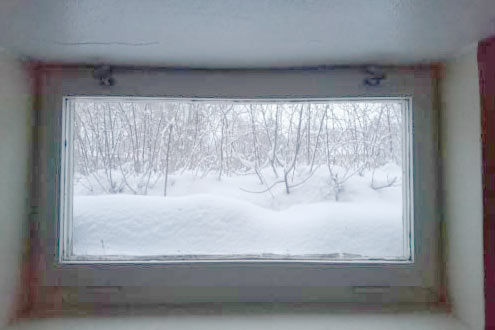
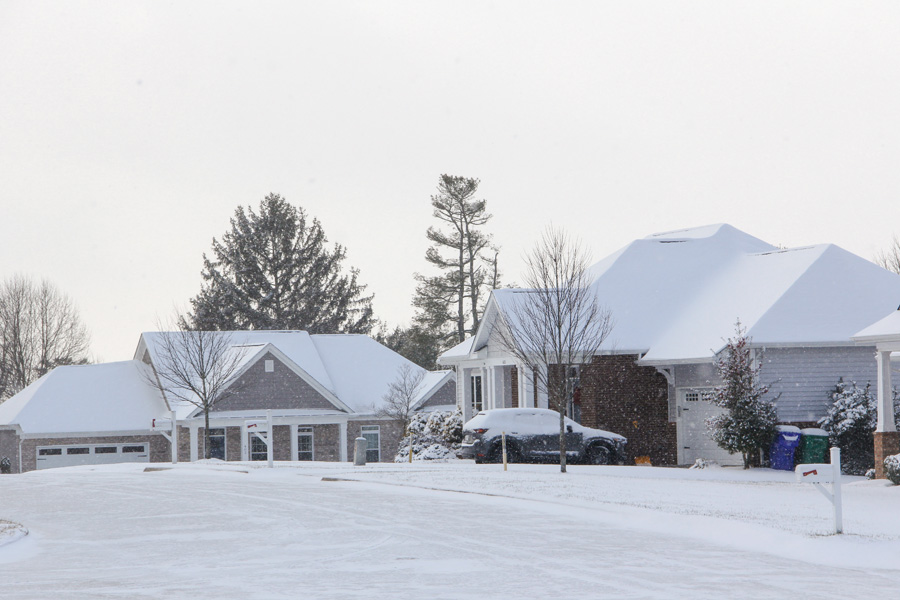
If you live in our service area, Greensburg, Westmoreland County, and surrounding areas, you’ve lived through the brutal January snow storms and February’s prolonged stretch of sub-freezing days along with us. 2026 is off to a rough start. Governor Shapiro even declared a disaster emergency.
The major January 25-26 storm dropped 10-14 inches across much of the Pittsburgh area and Westmoreland County, with some northern and outlying areas seeing 16-24 inches.
Weeks of sub-freezing temperatures with wind chills dropping well below zero haven’t done anyone any favors, and while you may have worried about pipes freezing and your car battery starting, did you know your basement was in danger too. Now that the temps are rising just above freezing, what is all that cold and snow doing to your foundation right now?
The Freeze-Thaw Cycle: Your Foundation’s Worst Enemy
Your foundation has been under attack all winter. The weapon? A process called the freeze-thaw cycle.
Here’s how it works. Moisture in the soil around your foundation freezes when temperatures drop. Water expands by about 9% when it freezes, leading to soil expansion and pressure in frost heave. The expanding soil pushes against your basement walls and can even lift sections of the foundation.
When temperatures rise, the ice melts. Soil contracts and pulls away. Gaps form. The foundation settles unevenly into those gaps.
Then it freezes again. And the cycle repeats.
Each round pushes harder. Each round widens existing cracks. Each cycle of freeze and thaw creates new pathways for water. This has happened dozens of times already this winter across Westmoreland County and the Pittsburgh area.
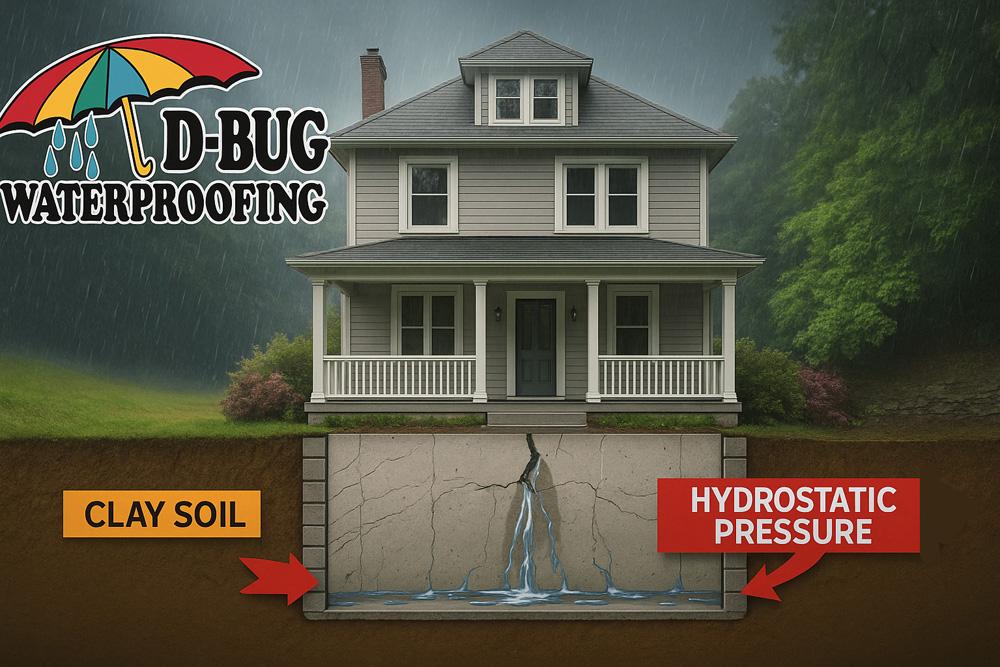
Our region’s clay-heavy soil only makes the situation worse. Clay holds moisture instead of draining it. When that moisture freezes, clay soil expands more than sandy or loamy soils. The pressure against your foundation walls increases.
That damage is happening right now, even if you don’t see water in your basement yet.
Snow Melt and Hydrostatic Pressure: The Coming Surge
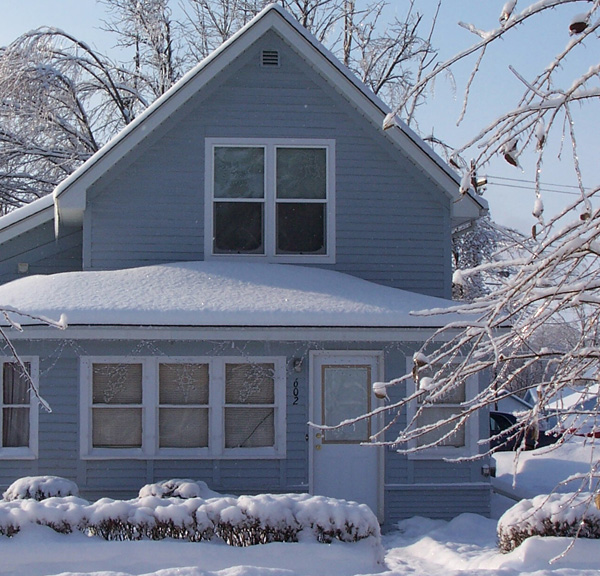
Here’s some simple math. Roughly 10 inches of snow produces about 1 inch of liquid water. After January’s storm and the additional snowfall in early February, your yard holds a significant amount of frozen water. As this week’s thaw arrives, all of it begins to melt.
Where does it go?
When the surface soil thaws but deeper layers stay frozen, melt water can’t drain downward. The frozen ground below acts like a floor. Water pools on top of it and flows sideways — directly toward your foundation.
This trapped water pushes against your basement walls with steady force. That force is called hydrostatic pressure. It looks for every weakness: hairline cracks, wall-floor joints, porous concrete, and gaps around window frames. This pressure increases with water depth and saturation — for example, several feet of water-equivalent head against the wall can produce over 100-200 pounds per square foot in extreme cases, though pressure varies by conditions.
Rapid thaws are the most dangerous. A quick jump from single digits to the 40s — exactly what’s happening around our area — releases a surge of water all at once. Your foundation faces maximum pressure during these sudden warm-ups.
Why Pittsburgh-Area Basements Are Especially Vulnerable
Western Pennsylvania’s geography works against your foundation. Several factors combine to make our basements more vulnerable than most.
- Clay-rich soil throughout Westmoreland County and the greater Pittsburgh area swells when wet and shrinks when dry. This constant movement stresses foundation walls year after year.
- Hilly terrain channels snowmelt and rain runoff downhill. Homes at the base of slopes or on hillsides receive water from a much larger area than their own yard.
- Older homes make up a large part of the housing stock in our region. Many were built before modern waterproofing membranes and drainage systems became standard. Their foundations face today’s weather with yesterday’s protection.
- Above-average snowfall this winter compounds all of these challenges. Season-to-date snow totals remain above normal. Every inch adds to the water load your foundation must handle when the melt comes.
Warning Signs to Watch For Right Now
Winter foundation damage doesn’t always announce itself with a flooded basement. Often, the first clues are subtle. Pay attention to these warning signs, especially during and after this week’s thaw:
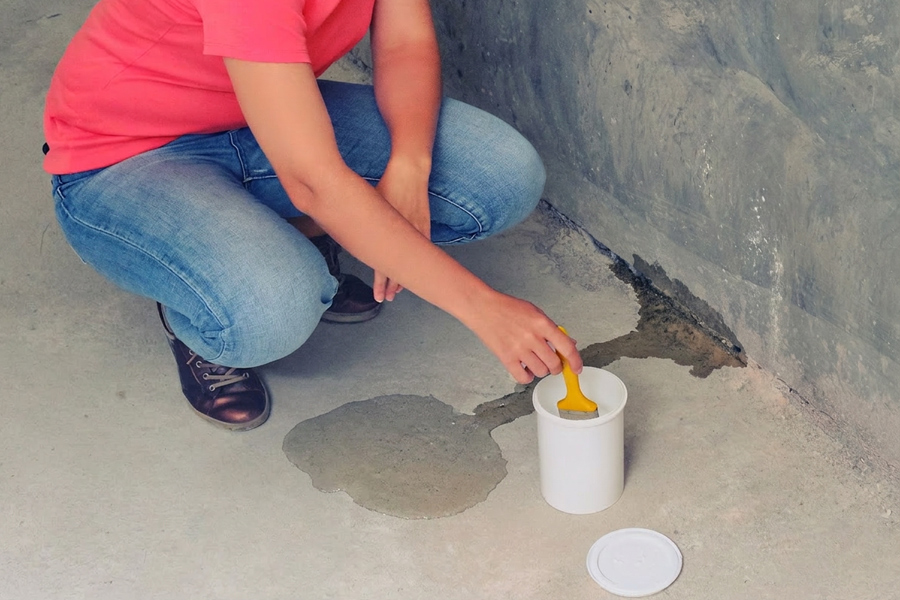
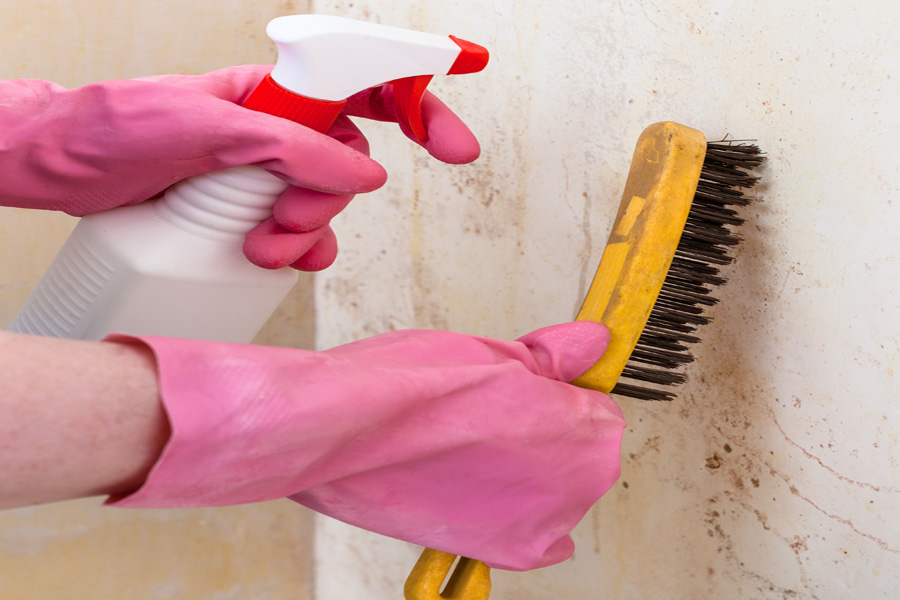
- In your basement: New or widening cracks in walls or floors. Bowing or leaning walls. Water stains, damp spots, or actual pooling. White, chalky deposits on concrete (called efflorescence) that signal water moving through your walls. Musty odors or visible mold.
- Upstairs: Doors that suddenly stick or won’t close properly. Windows that resist opening. New cracks in drywall, especially near door and window frames. Floors that feel uneven or slope in one direction.
These upstairs symptoms surprise many homeowners. Foundation problems don’t stay in the basement. When the foundation shifts, the entire house responds. Walls twist. Frames go out of square. What seems like a sticking door is actually your home telling you something has moved below.
What You Can Do Right Now
You can take some practical steps today to reduce the risk of water damage this winter and into spring:
Clear snow away from your foundation walls. The less snow sitting against your house, the less water hits your basement when temperatures rise.
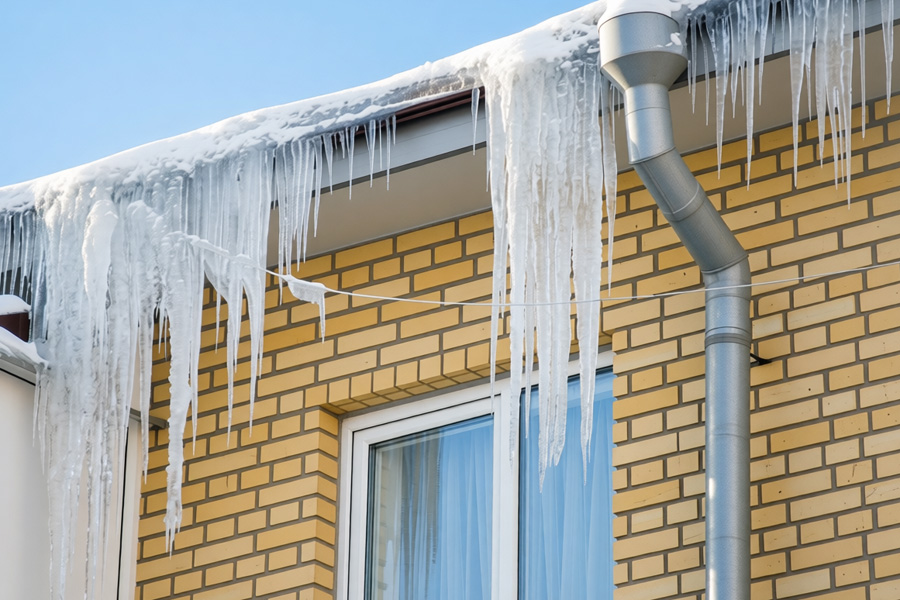
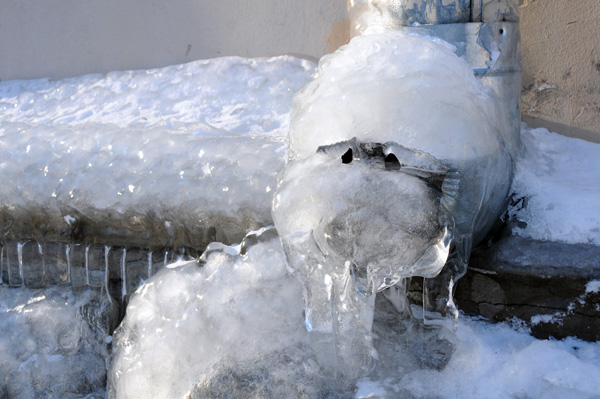
Check your gutters and downspouts. Make sure downspouts extend at least 6 to 10 feet from the house. Frozen debris may have blocked gutters during the cold snap.
Look at the ground around your foundation. Soil should slope away from the house, not toward it. Poor grading sends melt water straight to your basement walls.
Monitor your basement closely during the thaw. Check it after warm days. Look for damp spots, new cracks, or changes in odor.
These steps help, but they have limits. They can’t fix cracks that have already widened. They can’t stop hydrostatic pressure from pushing water through your walls. When prevention isn’t enough, professional solutions are the next step.
Professional Solutions for Serious Damage
When winter’s freeze-thaw cycles and snow melt cause real damage, targeted repairs protect your home and stop the problem from getting worse. (All of the solutions below are ones that D-Bug Waterproofing has decades of experience providing for local home owners, some of them your neighbors.)
- Interior French drains capture water before it reaches your basement floor. A perimeter drainage channel directs water to a central sump pump pit. The system works in any weather and installs without exterior excavation.
- Sump pumps actively remove collected water and push it away from your foundation. Paired with a French drain, they create a complete water management system.
- Wall anchors and carbon fiber reinforcement stabilize bowing or leaning basement walls. These solutions counteract the lateral pressure from saturated, expanding soil.
- Steel I-beams provide immediate support for walls under severe pressure. They prevent further movement while long-term repairs are planned.
- Underpinning piers address foundations that have settled or shifted. Steel push piers transfer your home’s weight to stable soil layers deep underground, stopping movement permanently.
A professional inspection now, before the full spring thaw, catches damage early. Early repairs cost less than emergency fixes after water has caused additional harm.
Don’t Wait for Spring to Show You the Damage
For over four decades years, D-Bug Waterproofing has protected Pittsburgh-area homes from water damage and foundation problems. We understand this region’s unique challenges because we live here too. We watched the same January storm bury our neighborhoods. We felt the same bitter cold.
As a family-owned business, we treat your home like our own. Our dedicated crews — never subcontractors — bring decades of experience to every project. From waterproofing and foundation repair to mold remediation, we handle it all under one roof.
This winter has tested every foundation in Western Pennsylvania. Find out how yours held up before the spring melt makes things worse.
Schedule your free inspection today by calling 1-855-381-1528 or contact us online. Your home deserves to come through this winter in one piece.