That Musty Smell in Your Basement? It’s Mold – and It’s Hiding
Why Winter Makes Hidden Mold Impossible to Ignore
You notice it whenever you open the basement door. It might be subtle or strong enough to wrinkle your nose. It’s that damp, earthy smell that becomes especially noticeable in winter. Maybe you’ve tried air fresheners or candles to mask it. Maybe you’ve grown used to it over the years, but this winter it seems worse than ever.
That musty smell almost always means mold. And in winter, there’s no escaping it.
Why Winter Makes Basement Odors Worse
During warmer months, you might open windows or run fans. Fresh air moves through your home. Basement smells get diluted and escape outside.
Winter changes everything. Your windows stay sealed tight. Your doors stay shut. Your home becomes a closed box that traps moisture inside.
Your furnace makes things worse. As it heats your home, it pulls air from the basement and delivers it upstairs. Musty basement air circulates through your entire house. That damp smell follows you from room to room.
Your family breathes basement air all day and night. Air that is filled with mold spores and allergens.
The Science Behind That Smell
That distinctive musty odor has a name: microbial volatile organic compounds, or MVOCs. Mold releases these gases as it grows and feeds.
Think of MVOCs as mold’s favorite perfume. Some people describe it as damp socks. Others say it smells like old books or wet cardboard. However you describe it, the smell means one thing: mold is growing somewhere nearby.
Here’s what catches homeowners off guard. Even small amounts of mold create strong odors. MVOCs have a very low odor threshold. A small patch of hidden mold can make your whole basement smell.
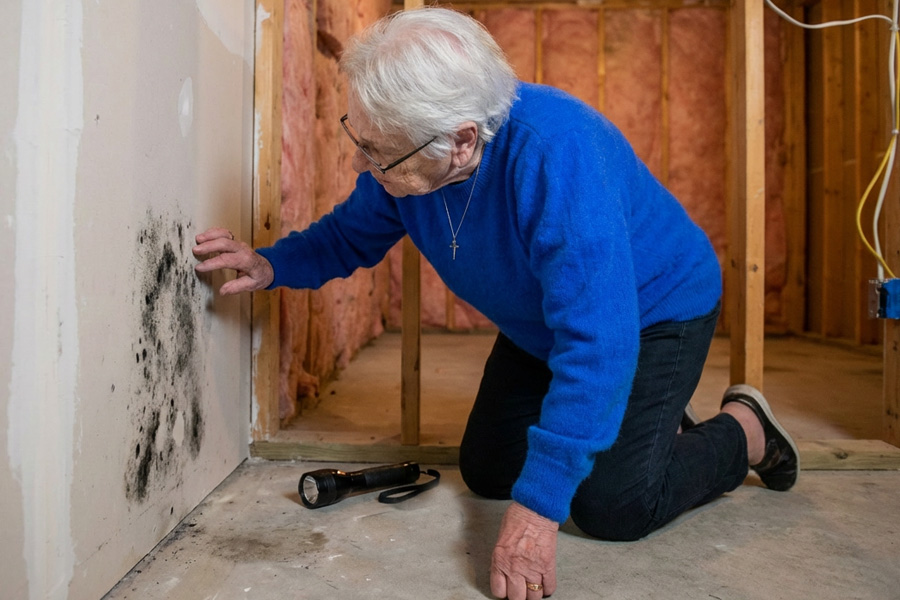
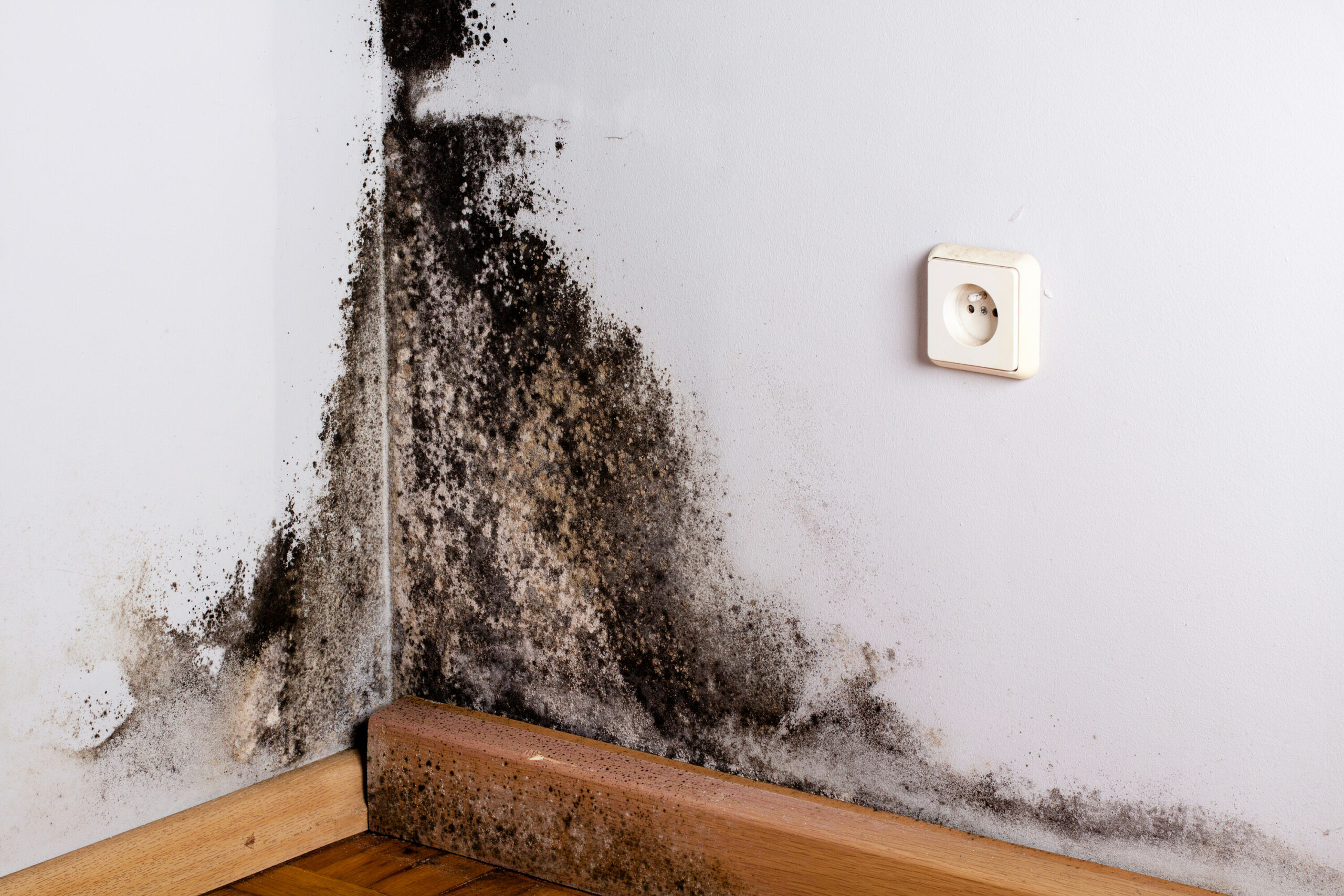
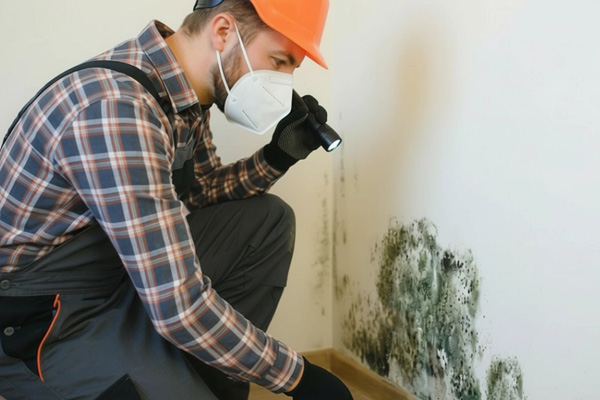
You might not see any mold. That doesn’t mean it isn’t there. Mold often grows in places you’d never think to look.
Where Mold Hides in Your Basement
Mold doesn’t announce itself. It grows in dark, damp spaces where air doesn’t circulate. Here are the most common hiding spots in Pittsburgh-area basements.
Behind Furniture Against Walls
That bookshelf or dresser pushed against your basement wall? Check behind it. When furniture sits against a damp wall, moisture gets trapped. Air can’t flow. Mold forms on the furniture’s back surface and on the wall itself.
White, fuzzy mold often develops on unfinished wood. You won’t see it from the front. The smell gives it away.
Under Area Rugs and Carpeting
Basement floors stay cool. When warm, humid air meets cold concrete, condensation forms. Area rugs and carpeting trap that moisture against the floor.
Mold grows underneath where you can’t see it. Lift a corner of that basement rug. You might find a nasty surprise.
Inside Closets and Storage Areas
Basement closets are mold magnets. They’re dark. They’re cramped. Air doesn’t move through them.
When humidity climbs above 60%, moisture lingers on every surface. Damp clothes that go into storage never fully dry. Vinyl organizers seal in humidity. Mold grows on fabric, leather, and wood.
Inside Storage Bins and Boxes
Cardboard boxes absorb moisture from basement air. Over time, the cardboard softens. Mold feeds on it. Everything inside the box gets contaminated.
Plastic bins seem like a better choice. But they create their own problem. Snap that lid shut, and you trap whatever moisture was inside. Sealed plastic containers become mini greenhouses for mold.
Inside Wooden Drawers and Furniture
Open that old dresser in your basement. Pull out the drawers. Mold often grows on interior surfaces where air doesn’t reach.
Wood provides food for mold. Add darkness and moisture, and you have perfect growing conditions. That antique furniture you’re storing? It might be slowly getting destroyed.
Why This Matters for Your Family’s Health
Mold isn’t just smelly. It can affect your family’s health.
Common symptoms include stuffy nose, sore throat, and coughing. Some people experience burning eyes or skin irritation. Those with allergies or asthma often see their symptoms get worse. They blame winter colds or the flu. Often, basement mold is the real cause.
Remember the “stack effect”? Your home naturally pulls air upward. Basement air rises through the floors. Mold spores travel with it. Your family breathes those spores all day, especially in winter when the house stays closed.
Why DIY Mold Removal Doesn’t Work
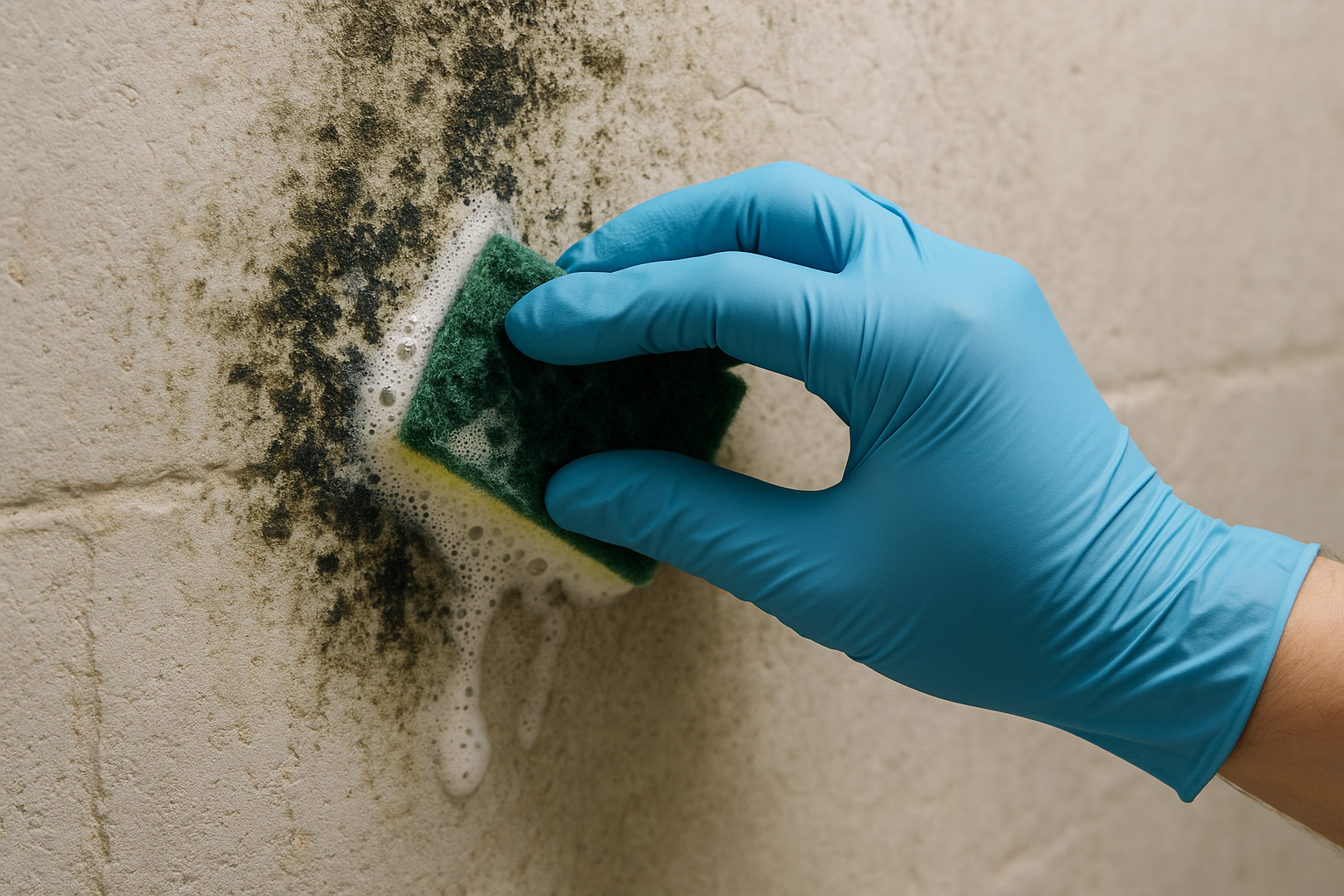
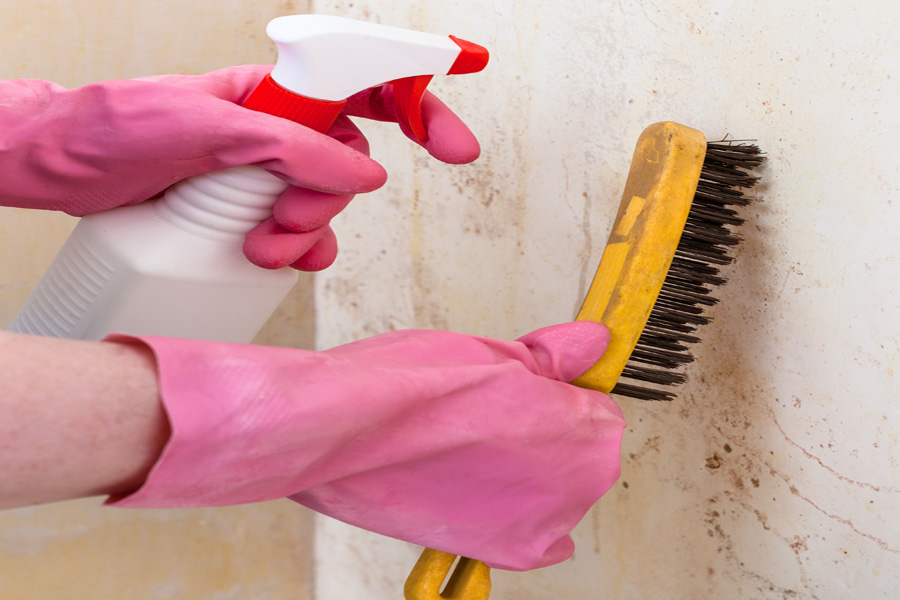
You’ve probably tried to fix the problem yourself. Bleach. Scrubbing. Paint. Air fresheners. The smell keeps coming back.
Here’s why: you’re treating the symptom, not the source. Cleaning visible mold doesn’t fix the moisture problem. And hidden mold stays hidden.
The EPA recommends professional help when mold covers more than 10 square feet. That’s about a 3-foot by 3-foot area. Larger problems need specialized equipment and containment procedures.
Professional mold remediation involves more than scrubbing. Without proper training and equipment, DIY removal can actually spread spores throughout your home.
D-Bug’s Approach to Mold Problems
For over 40 years, D-Bug Waterproofing has helped Pittsburgh-area families eliminate basement mold. We understand why mold thrives in Western Pennsylvania homes.
Our clay-heavy soil holds moisture against foundations. Our steep hills channel water toward basements. Our seasonal weather creates perfect conditions for mold growth.
We don’t just remove mold; our waterproofing teams can solve the moisture problem that caused it. Our comprehensive approach includes professional remediation and, when needed, waterproofing solutions that keep your basement dry for good.
As a family-owned business, we treat your home like our own. Our dedicated crews—never subcontractors—arrive trained and ready. We protect your belongings and leave your basement clean.
That Smell Won’t Go Away on Its Own
Winter has just begun. You’ll spend months with windows closed and doors sealed. That musty smell will only get stronger as mold continues to grow.
Don’t spend another winter breathing moldy air. Don’t let hidden mold damage your stored belongings. Don’t ignore what your nose is telling you.
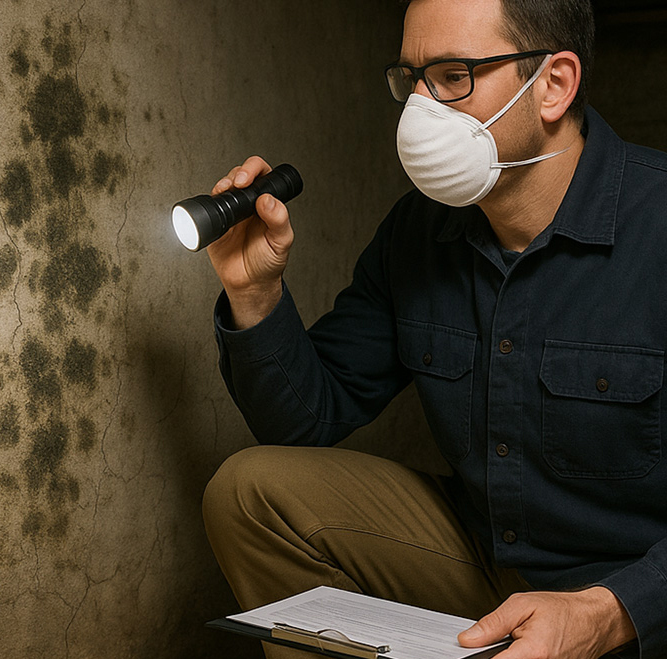
Schedule a professional mold inspection with D-Bug Waterproofing. We’ll find where mold is hiding and give you honest answers about what it will take to fix it.
Call us today at 1-855-381-1528 or contact us online to schedule your free consultation.