Buying a Pittsburgh-Area Home in 2026?
Inspection Found Basement Water or Mold—Here’s What to Do Next
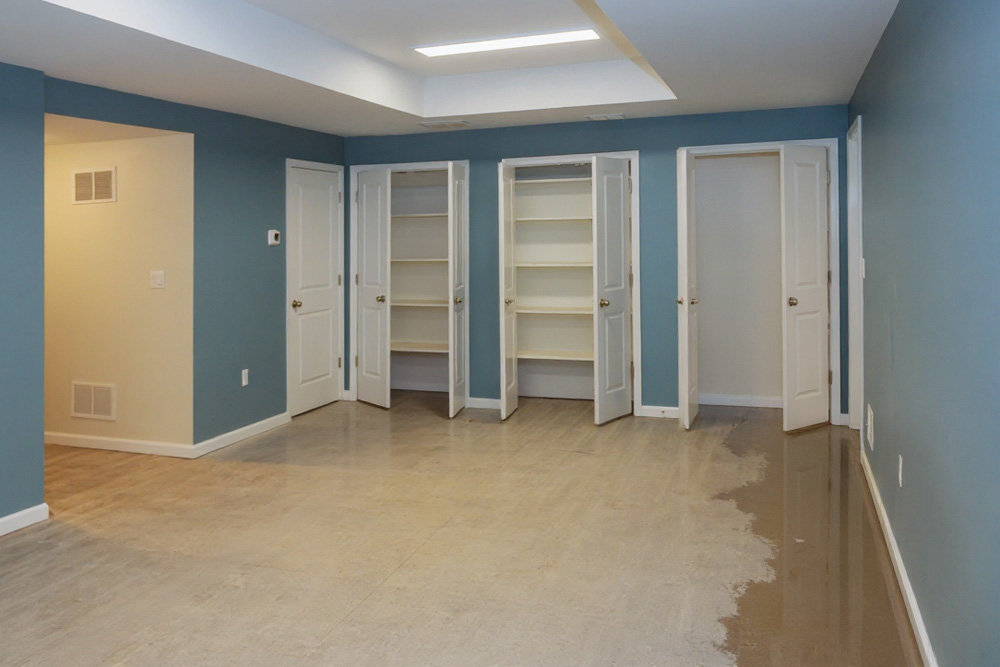
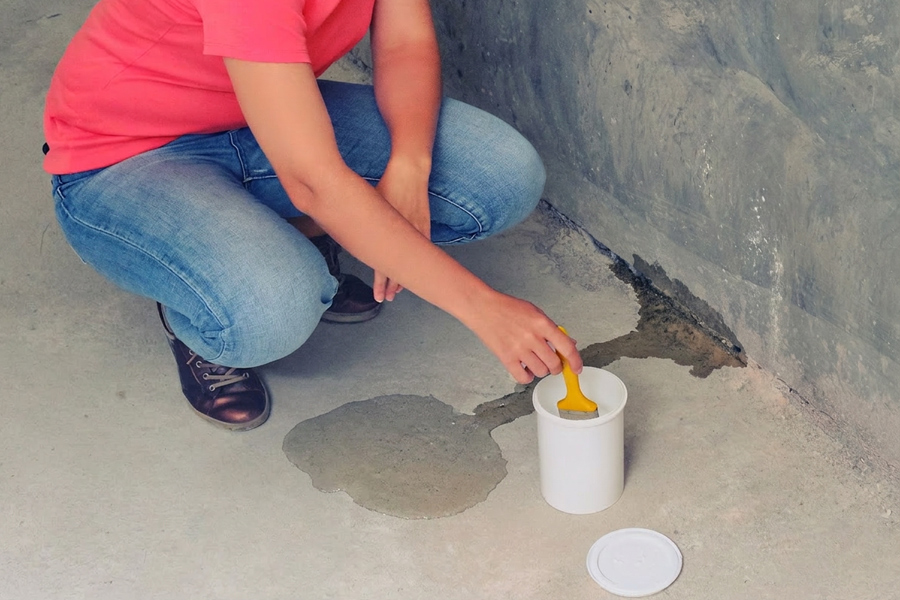
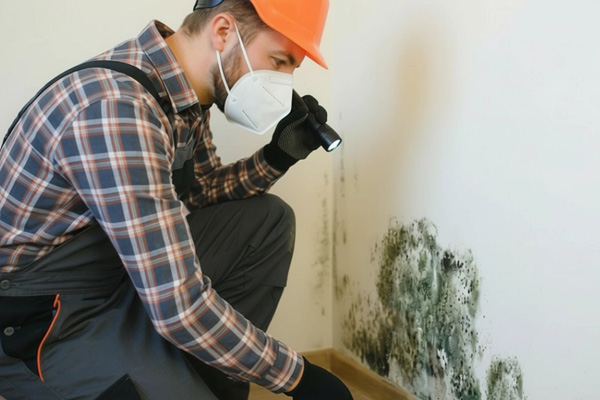
You’ve been searching, and you finally found it: the home of your dreams. The layout works. The neighborhood feels right. The price is within reach. But there is some bad news. Your home inspector finds water damage in the basement. Maybe mold too.
Your stomach drops. Is this a deal-breaker? How much will repairs cost? Should you walk away from this house?
While water and mold are serious basement issues; they are not deal breakers. In Western Pennsylvania, findings like this are surprisingly common. They’re also fixable. In this article, we take a look at what basement water and mold mean for your home purchase. More importantly, we’ll show you how to move forward with your purchase.
Why Basement Water Problems Are So Common Here
Pittsburgh-area basements face challenges that other regions simply don’t have. Our region receives 38 to 40 inches of rain each year. Add spring snowmelt to that total, and that’s a lot of water seeking the lowest point: your basement.
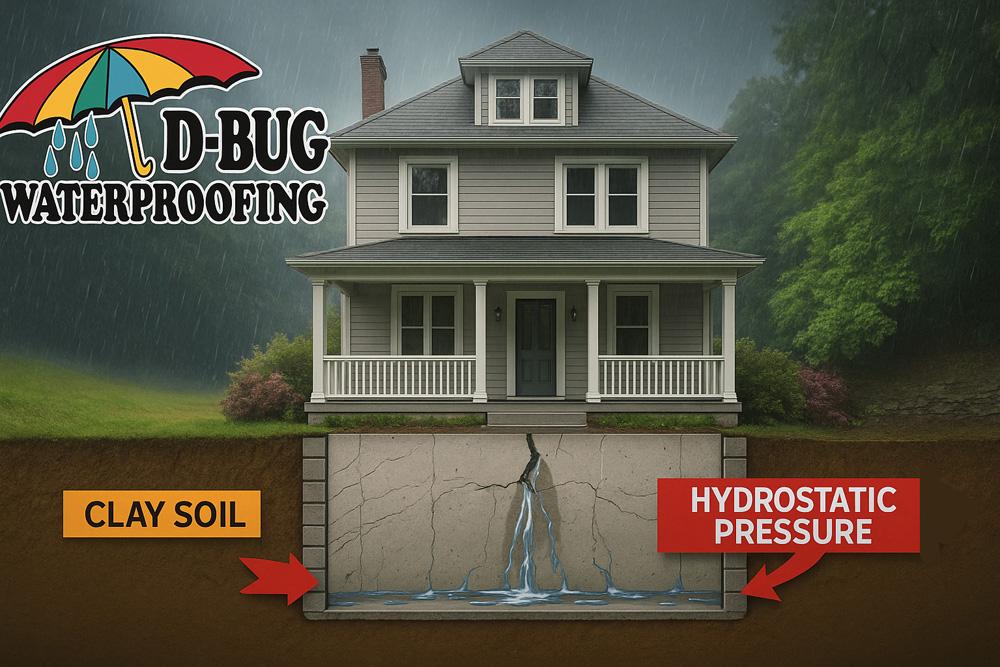
Our clay-heavy soil makes everything harder. When it rains, clay soil swells and pushes against foundation walls with tremendous force. During dry spells, that same clay shrinks and pulls away from your foundation. This constant expansion and contraction cracks foundations over time.
Pittsburgh’s housing stock adds another important factor. The median home here was built around 1960. Older foundations weren’t designed for today’s drainage standards. Sixty-plus years of weather cycles have stressed many home foundations in ways the old-time builders never saw coming.
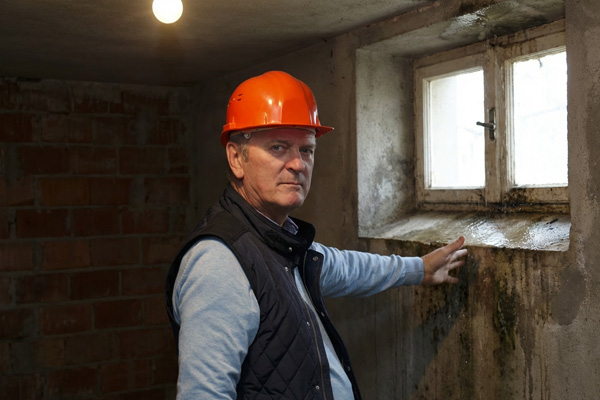
When water enters basements repeatedly, mold follows close behind. Dark, damp spaces give mold exactly what it needs to thrive. Many homeowners don’t even know they have mold until a professional inspector discovers it hiding in corners or behind stored boxes.
What Inspectors Actually Find
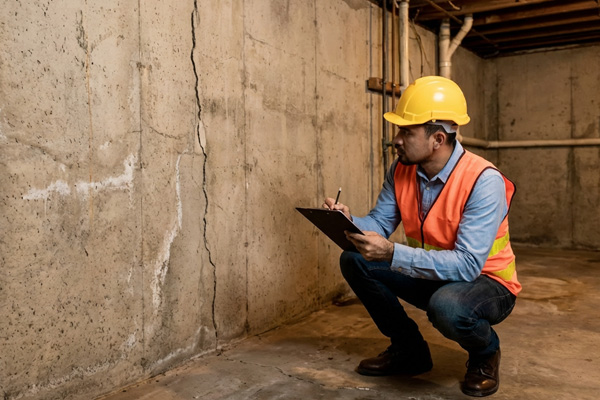
Water damage doesn’t always announce itself dramatically. Sometimes it hides for years. A trained inspector knows where to look and recognizes the subtle signs that reveal hidden problems.
Common warning signs include:
- Musty odors — Often the first clue of trouble. That damp, earthy smell means moisture has been present long enough for mold to start growing somewhere.
- Efflorescence — White, chalky deposits on basement walls. Water carries minerals through concrete, leaving this telltale residue when it evaporates. This proves water has migrated through your walls.
- Water stains or damp walls — Discoloration shows exactly where water has entered, even if surfaces feel dry during the inspection day.
- Visible mold — Black, green, or gray patches growing in corners, along floor edges, or behind stored items. Once visible, mold colonies have established themselves.
- Peeling paint or bubbling drywall — Moisture trapped behind surfaces causes these obvious signs of ongoing water problems.
Many buyers never noticed these signs during showings. Sellers may have cleaned surfaces, used air fresheners, or strategically placed furniture. A professional inspector reveals the truth that casual viewing misses.
What Sellers Must Tell You Under Pennsylvania Law
Pennsylvania requires sellers to disclose known material defects before sale. This includes water damage, basement leaks, mold problems, and any flooding history. Sellers must complete a detailed disclosure statement before you sign the agreement of sale.
The key word is ‘known.’ Sellers must reveal what they know or should reasonably know. A seller who dealt with recurring leaks after heavy rains must disclose that history. So must someone who fixed basement flooding years ago, even if they consider it ancient history.
What happens if your inspection reveals problems the seller didn’t mention? You now have leverage. Either the seller genuinely didn’t know about the issue, or they failed their legal disclosure duty. Either way, you’re in a strong position to negotiate.
Your Options When Problems Surface
Here’s the thing: most real estate deals close successfully after basement issues appear in inspection reports. Buyers and sellers work out solutions every day across the Pittsburgh market. Your inspection contingency gives you real negotiating power.
You have several paths forward:
Request Seller Repairs
Ask the seller to fix problems before closing. They hire a contractor, complete the work, and you move into a dry basement. The upside: issues get resolved before you own the house. The downside: the seller controls who does the work, not you.
Negotiate a Closing Credit
Get money at closing to handle repairs yourself. This approach lets you choose your own contractor and schedule work on your timeline. Many buyers prefer this option. They select a company they trust and complete repairs after moving in.
Reduce the Purchase Price
Lower your offer to account for repair costs. This reduces your mortgage amount and monthly payment. Just remember: you’ll still need cash available for the actual repairs after closing.
Walk Away
Your inspection contingency exists for this very reason. If problems seem too severe, costs too high, or negotiations stall, you can cancel the contract. You lose nothing but time and move on to another property.
Most buyers don’t need to walk away. A professional estimate helps everyone understand the true scope of work needed. Get specific numbers from a basement waterproofing company you trust before making any final decisions.
These Problems Are Fixable—Not Deal-Breakers
Basement water issues sound scary in an inspection report. In reality, well-established, proven solutions exist for every common problem. Professional waterproofing systems stop water at its source. Mold remediation eliminates existing growth and prevents return.
Think about it this way: thousands of Pittsburgh-area homes have faced these same challenges over the decades. Their owners solved the problems and now enjoy dry, usable basements. Your potential new home can join that list.
Temporary fixes don’t work long-term. Waterproof paint eventually peels. Basic dehumidifiers can’t overcome hydrostatic pressure from saturated soil. These band-aid solutions waste money and leave the real problem untouched.
Permanent solutions address root causes:
- Interior French drains capture water before it reaches your floor. These perimeter systems channel groundwater to a central collection point for removal.
- Sump pumps remove collected water automatically whenever levels rise. Quality systems include battery backups for power outages during storms.
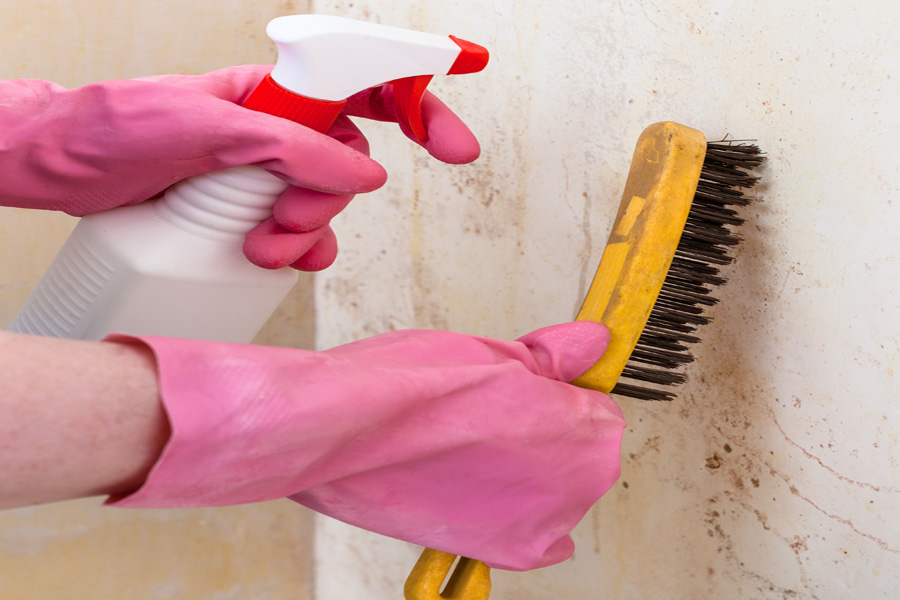
- Professional mold remediation eliminates existing growth safely. Proper containment prevents spores from spreading through your home during removal.
- Foundation repairs stabilize cracked or bowing walls permanently. Steel supports and wall anchors prevent future movement.
The right approach depends on your specific situation. A qualified contractor like D-Bug Waterproofing evaluates the problem and recommends solutions tailored to the actual conditions in your basement.
The 2026 Market Works in Your Favor
Housing forecasts predict a more balanced Pittsburgh market this year. Sales growth looks modest—around 4%—with prices increasing roughly 5-6%. Inventory has improved significantly from the tight conditions of recent years.
What does this mean for you? Buyers have more negotiating power than they’ve had in years. Sellers want to close deals rather than relist properties. They’re often willing to address basement problems rather than lose a qualified buyer.
Median home values in Pittsburgh hover around $230,000 to $245,000. That older housing stock (remember, median build year of 1960) means basement issues appear frequently in inspection reports. Experienced sellers and agents expect these conversations.
D-Bug Waterproofing: Your Local Expert for Over 40 Years
Whether the seller handles repairs before closing or you use credits afterward, you need a contractor who truly understands Pittsburgh basements. D-Bug Waterproofing has served Western Pennsylvania families since 1980. That’s now over 45 years and counting.
As a family-owned business, we approach every project with genuine care. Our dedicated crews know the region’s unique challenges inside and out. Clay soil that expands and contracts. Heavy rainfall that tests every foundation. Aging structures that need the right solutions. We’ve solved these problems for countless families over the decades.
We offer comprehensive solutions under one roof: basement waterproofing, mold remediation, and foundation repair. One company handles everything. One team stands behind all the work. One phone number to call.
Call us today at 1-855-381-1528 or contact us online to schedule your free consultation.